technifyed

Stanford University via YouTube Video playlist

Engineering

Overview

Dive into the exciting world of engineering with this handpicked selection of engaging lectures and discussions. From cutting-edge research and innovative solutions to the foundational principles that drive technological advancements, our playlist offers a deep exploration of the diverse fields of engineering. Whether you're a budding engineer, a technology enthusiast, or just curious about how the world works, our videos provide valuable insights and knowledge.

Videos in this playlist 80

  1. Climate Innovation: Digital Technology for Sustainable Agriculture and Infrastructure Development
  2. AI and Climate: From Grids to Data Centers — AI Strategy & Innovation
  3. Professionals share the benefits of Stanford’s Virtual Design and Construction Program
  4. New Course! Change Management: Reskilling in the Age of Analytics and AI
  5. Stanford Webinar - Democratizing Model Discovery with Neural Networks
  6. Professionals share the benefits of Stanford’s Virtual Design and Construction Program
  7. Stanford ENGR1: Physics and Engineering I Pat Burchat
  8. Stanford ENGR1: Bioengineering I Drew Endy
  9. Stanford ENGR1: Materials Science and Engineering I Dr. Rajan Kumar
  10. Jen-Hsun Huang: Stanford student and Entrepreneur, co-founder and CEO of NVIDIA
  11. Stanford AA222/CS361 Engineering Design Optimization I Probabilistic Surrogate Optimization
  12. Stanford Webinar - Engineering a Safer Internet with Alex Stamos
  13. Stanford Webinar - The Future of Metal 3D Printing
  14. Rafael Castro talks about his experience in Stanford's Digital Transformation Program
  15. Inspiration, Design, and the Human Element
  16. EngX: Big Data, Big Impact mini-conference, Russ Altman, Jure Leskovec and Christopher Ré
  17. Designing Your Career with John Armstrong and Benjamin Bowman
  18. Course Overview: Hybrid & Electric Vehicles | Stanford Online
  19. Decarbonizing the Grid: Technology and Policy (webcast)
  20. Stanford Webinar: Grid Modernization and the Integration of Distributed Resources
  21. Stanford Webinar - Completing projects faster and smarter with Virtual Design and Construction
  22. Stanford Webinar - A Practical Guide to Living Ethically
  23. Project Risk Analysis Information Session I Stanford Online
  24. Stanford Chemical Engineering Online Masters Degree Program
  25. Stanford Webinar: IOT - From Smart Sensors to Smart Networks
  26. Stanford Webinar - Visual Computing-Tracking the Top Trends and Opportunities
  27. Stanford Engineering Hero Lecture: Kenneth Arrow (In Memoriam)
  28. Stanford Seminar - Shannon-Inspired Statistical Computing
  29. Stanford Seminar - Abstractions for Multi-Material 3D Printing, Wojciech Matusik
  30. Stanford Seminar - I ♥ Logs: Apache Kafka, Stream Processing, and Real-time Data
  31. Stanford Seminar - History of Robots from Ancient Egypt to Current Times
  32. Stanford Seminar - Big Data: A Data Driven Society?
  33. Stanford Seminar - Low-Cost 3D Chip Stacking with ThruChip Wireless Connections
  34. Stanford Seminar - Instruction Sets Should Be Free: The Case for RISC-V
  35. Stanford Seminar - TSAR (the TimeSeries AggregatoR) Anirudh Todi of Twitter
  36. Stanford Seminar - Insights with New Data: Using Google Search Data
  37. Stanford Seminar - Faults, Scaling, and Erlang Concurrency
  38. Stanford Seminar - Old Dog New Tricks: Technology, Entertainment and Working in Asia
  39. Stanford Seminar - Applying Mainstream Design Approaches to Spacecraft Communications
  40. Stanford Seminar - Minimal Models of Human Nature Interaction
  41. Stanford Seminar - The Relationship between Wrap Contracts and Technological Innovation
  42. Stanford Seminar - Big Data, Yesterday, Today and Tomorrow
  43. Stanford Seminar - pCell: Personalized Cell Technology: Ubiquitous Wireless Broadband
  44. Stanford Seminar - The Origin of Life and the Search for a Second Genesis of Life on Other Worlds
  45. Stanford Seminar - Insights in the Nature of Time in Physics, and Implications for Computer Science
  46. Stanford Seminar - Stephan Wolfram of Wolfram Research
  47. Stanford Seminar - Inventing a New Internet: Learning from Icarus
  48. Stanford Seminar - Value Intellectual Capital
  49. Stanford Seminar - Instruction execution on the Mill CPU
  50. Stanford Seminar - "Embrace Failure for Success and Profit" Jonathan Siegel, Rackspace
  51. Stanford Seminar - Building a Trustworthy Business in the Post-Snowden Era
  52. Stanford Seminar - On the Origin of Experience: The Shaping of Sense and the Complex World
  53. Stanford Seminar - Topological Data Analysis: How Ayasdi used TDA to Solve Complex Problems
  54. Stanford Seminar - Mostly Missless Memory in the Mill CPU
  55. Stanford Seminar - Who Owns the Future, Jaron Lanier, Microsoft Research
  56. Stanford Seminar - Wireless Power Transfer & RF Energy Harvesting: New Options for System Designers
  57. Stanford Seminar - Building Computers from Bacteriophage, Drew Endy
  58. Stanford Seminar - Software-Defined Networking at the Crossroads
  59. Stanford Seminar -Drinking from the Firehose: How the Mill CPU Decodes 30+ Instructions per Cycle
  60. Stanford Seminar - BitTorrent Live: A Low Latency Live P2P Video Streaming Protocol
  61. Stanford Seminar - Exploring Alternative Global Futures
  62. Stanford Seminar - Fixing Media's Business Model
  63. Stanford Seminar - Predicting and Preventing Asteroid Impacts
  64. Stanford Seminar - Microsoft Research and the Evolution of Computing
  65. Stanford Seminar - Javascript anticensorship proxies
  66. Stanford Seminar - Makers, Hackers and the Personal Computer Revolution
  67. Stanford Seminar - Considerate Audio MEdiating Oracle (CAMEO)
  68. Stanford Seminar - Multiscale Dataflow Computing
  69. Stanford Seminar - Microsoft's Harry Shum on the Bing Dialog Model
  70. Stanford Seminar - "Haptic Systems: Hardware and Software" Ken Salisbury
  71. Stanford Seminar - Google's Peter Norvig on Online Education
  72. Stanford Seminar - EteRNE: RNA Nanoengineering through Crowd Science
  73. Stanford Seminar - Cloud Computing's Impact on Network Design
  74. Stanford Seminar - Google's Steve Yegge on GROK
  75. Stanford Seminar - High Performance Computing in the Oil Industry, Bob Clapp
  76. Let's Make Biology Easier to Engineer
  77. Turing: Pioneer of the Information Age
  78. 4th Generation Peer-to-Peer Technology
  79. Bayes, Medical Diagnostics, and Nomograms
  80. The Future of Venture Capital and High-Tech Entrepreneurship

Advantages and disadvantages

Advantages

  • Free and complete: every lecture is in the playlist, in order.
  • Watch at 1.5x, skip what you know, rewatch what you don't.
  • The actual Stanford lectures (CS229, CS224N, CS231N…): the deepest free material on AI anywhere.
  • Taught by Stanford University, one of the strongest names in its field.
  • 826,351 views, so help and notes are easy to find.
  • Completely free.
  • Self-paced: start any time.
  • A clear syllabus (80 videos) you can see before you start.

Disadvantages

  • No certificate, deadlines or graded work.
  • Quality and depth vary: check that the playlist is finished before you start.
  • Graduate level: needs linear algebra, probability and programming first.
  • No certificate.
  • A big commitment: about 321 videos, 353 hours in all.
  • No graded assignments or feedback.
  • Recorded in 2016: tools may have changed since.

Some points apply to every course of this kind; see how we rank.

Free

  • Free: Watch on YouTube, no account needed.
  • Certificate: None. Code or take notes along to make it stick.

Stanford University is in Tier 1: world-leading universities and India's top institutes of our institution ranking (97/100).

Similar courses

Compare these

Massachusetts Institute of Technology · YouTube

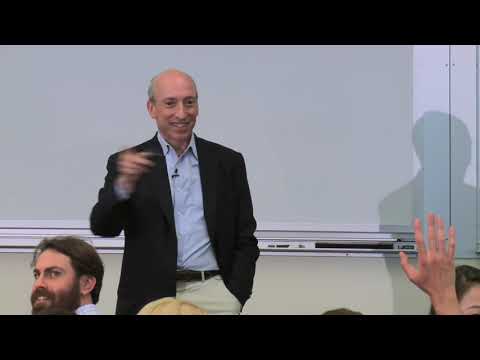
MIT 15.S12 Blockchain and Money, Fall 2018

Instructor: Prof. Gary Gensler View the complete course: https://ocw.mit.edu/15-S12F18 This course is for students wishing to explore blockchain technology’s potential use - by entrepreneurs & incumbents - to change the world of money and finance. License: Creative Commons BY-NC-SA More information…

Free video23 videos, 29 hours

Massachusetts Institute of Technology · YouTube

MIT 6.006 Introduction to Algorithms, Fall 2011

This course provides an introduction to mathematical modeling of computational problems. It covers the common algorithms, algorithmic paradigms, and data structures used to solve these problems. The course emphasizes the relationship between algorithms and programming, and introduces basic performa…

Free video47 videos, 42 hours

Harvard University · YouTube

CS50's Introduction to Programming with Python (CS50P) 2022

This is CS50P, CS50's Introduction to Programming with Python. Register for free at https://cs50.edx.org/python. Slides and source code at https://cs50.harvard.edu/python. Playlist at https://www.youtube.com/playlist?list=PLhQjrBD2T3817j24-GogXmWqO5Q5vYy0V. An introduction to programming using a la…

Free video11 videos, 16 hours

Harvard University · YouTube

CS50x 2023 Lectures

This is CS50, Harvard University's introduction to the intellectual enterprises of computer science and the art of programming, for concentrators and non-concentrators alike, with or without prior programming experience. (Two thirds of CS50 students have never taken CS before.) This course teaches…

Free video12 videos, 26 hours

Massachusetts Institute of Technology · YouTube

MIT 6.100L Introduction to CS and Programming using Python, Fall 2022

Instructor: Ana Bell View the complete course: https://ocw.mit.edu/courses/6-100l-introduction-to-cs-and-programming-using-python-fall-2022/ *Note: Lectures 6, 10 have been updated! This subject is aimed at students with little to no programming experience. It aims to provide students with an under…

Free video26 videos, 28 hours

Stanford University · YouTube

Stanford Online Courses and Programs

Get more information about the courses and programs we offer. In this playlist you can learn more about course content, pricing, credentials and more!

Free video154 videos, 139 hours

Enter your email and the official page opens. Phone is optional.