Delft University of Technology
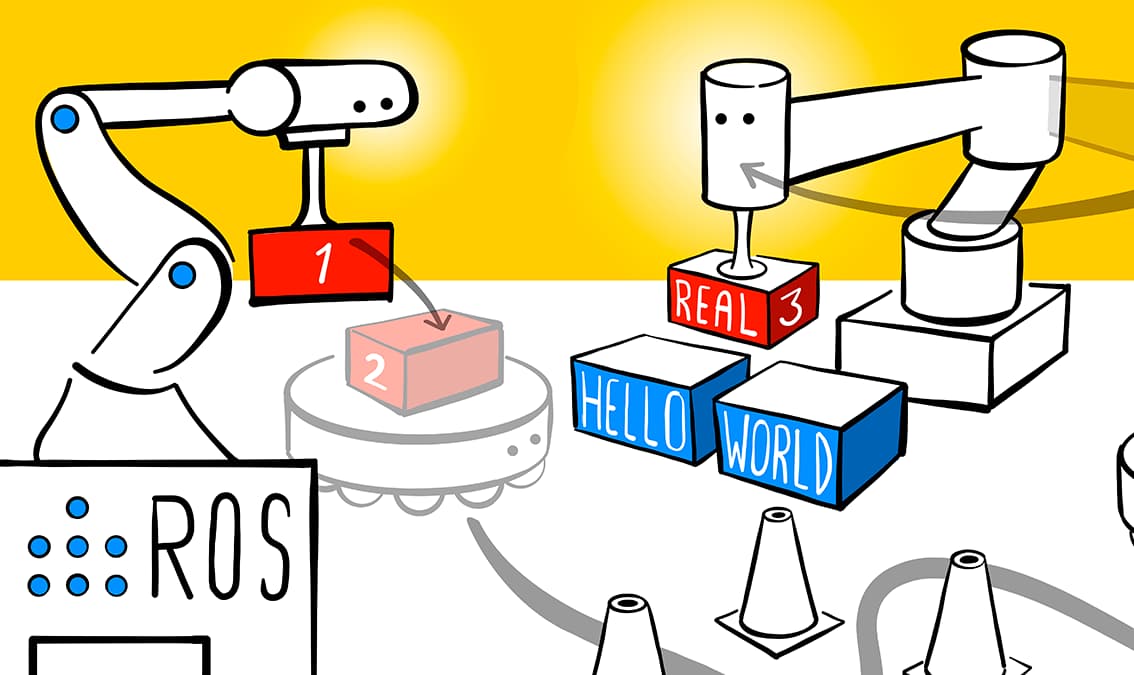
Hello (Real) World with ROS – Robot Operating System
4.111 ratingsLearn the fundamentals of ROS, Robot Operating System, to create advanced robotic systems.
- edX
- Self-paced
- Free to audit
- Paid certificate
- Intermediate
University
Online courses from Delft University of Technology, free and paid.
Tier 2 · 86/100NL
Delft University of Technology
Learn the fundamentals of ROS, Robot Operating System, to create advanced robotic systems.
Delft University of Technology
Get an in-depth understanding of varied profitable business models for electric cars.
Delft University of Technology
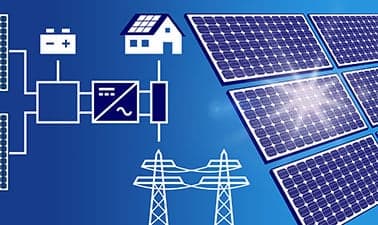
Explore the wide range of solar energy applications and learn to design a real PV installation with excellent performance and reliability.
Delft University of Technology
Learn how solar cells generate electricity, and about the semiconductor physics and optics required to design and manufacture solar cells.
Delft University of Technology
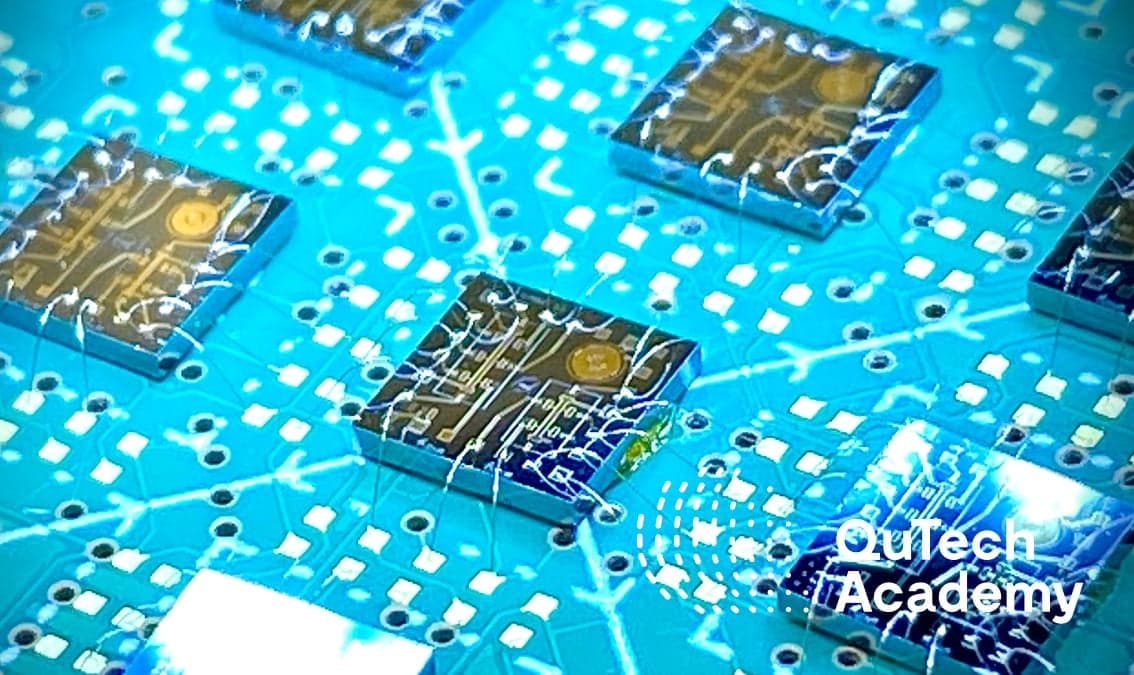
Learn the fundamentals of quantum hardware and experiment with QuTech's simulators to gain hands-on experience with quantum computing.
Delft University of Technology
This course provides an overview of bachelor-level calculus of multivariable functions (Calculus II). You will review many basic concepts related to differentiation and integration of multivariable functions.
Delft University of Technology
Learn how to decide on efficient combinations of energy conversion systems and how to distribute and control air and energy flows in buildings whilst minimizing carbon emissions and optimizing thermal comfort in close consideration with the architect.
Delft University of Technology
Understand the fundamental technology behind façade design and construction and the impact of the various components in facilitating the construction of sustainable, energy efficient, aesthetic and modern buildings.
Delft University of Technology
Get a basic understanding of electric cars and learn about leading technologies, development of profitable business models and effective policies.
Delft University of Technology
This course provides an overview of bachelor-level linear algebra. You will review all the concepts and practice and refresh the skills related to vectors and linear equations.
Delft University of Technology
Prepare for your technical studies by reviewing the fundamentals of physics. Become familiar with the way physics and physics-related topics are taught at university level.
Delft University of Technology
Learn how to stress test your business model to help you anticipate change and harness your business model’s success.
Delft University of Technology
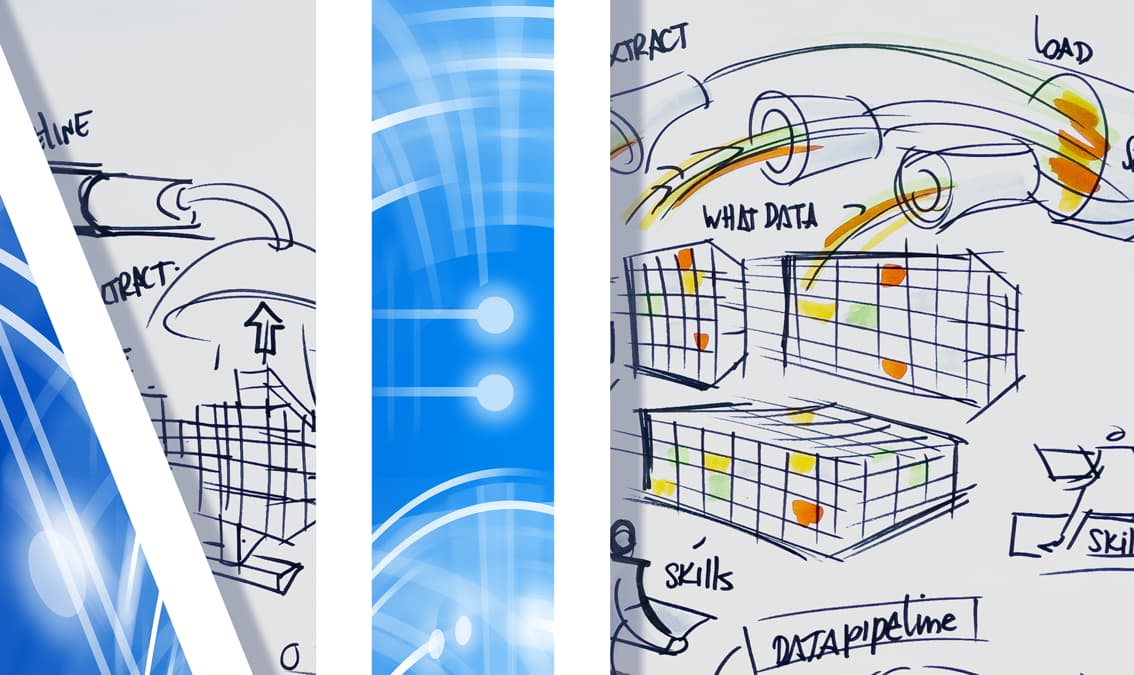
Good data is central to effective AI applications. This course teaches the basics of data for AI, covering what data is needed, how to extract data from existing databases and basic data skills including setup of a Python notebook environment, basic data exploration and simple data visualizations.
Delft University of Technology
Learn about quantum algorithms and the principles of quantum error correction for fault-tolerant quantum computing, through full-stack overview covering both quantum hardware and software.
Delft University of Technology
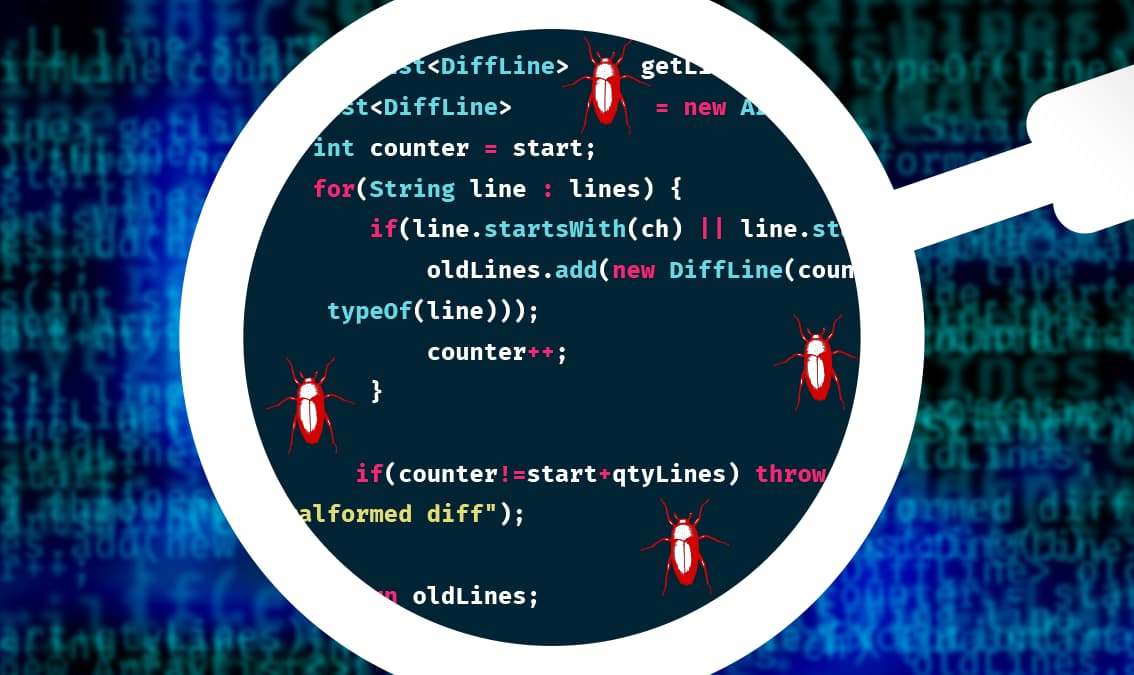
Learn the advanced software testing techniques, tools, and best practices required to deliver high-quality software.
Delft University of Technology
Learn how to estimate parameters from observational data for real-world engineering applications and assess the quality of the results.
Delft University of Technology
Learn how to create value for your customers and grow your business by designing a successful and sustainable business model.
Delft University of Technology
Learn how to successfully implement a new business model by creating a practical action plan and roadmap.
Delft University of Technology
Learn the fundamentals and principal AI concepts about clustering, dimensionality reduction, reinforcement learning and deep learning to solve real-life problems.
Delft University of Technology
How do populations grow? How do viruses spread? What is the trajectory of a glider? Introduce yourself to the modelling cycle which includes: analyzing a problem, formulating it as a mathematical model, calculating solutions and validating your results.