IIT (BHU) Varanasi
Pharmacological and Toxicological Screening Methods
Chemical Engineering course by Prof. Vinod Tiwari.
- NPTEL
- 12 weeks, 59 lectures
- Self-paced
- Free course
- Paid certificate
- Advanced
Free online
Learn Toxicology online: university courses, full YouTube courses, and courses with free certificates, from the IITs, MIT, Harvard, Google, Microsoft and more.
IIT (BHU) Varanasi
Chemical Engineering course by Prof. Vinod Tiwari.
 Johns Hopkins University
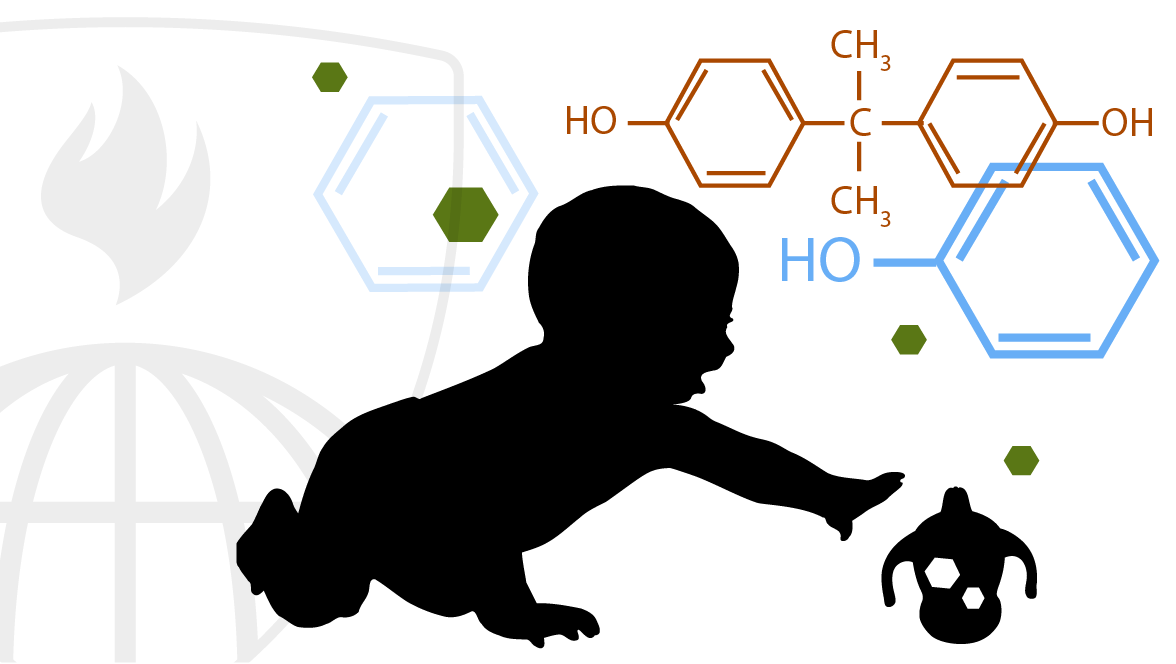
This course covers chemicals in our environment and in our bodies and how they impact our health. It addresses policies and practices related to chemicals, particularly related to how they get into our bodies (exposures), what they do when they get there (toxicology), how we measure them (biomonito…
 MIT OpenCourseWare
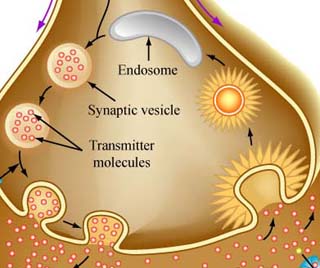
This course considers the process of neurotransmission, especially chemicals used in the brain and elsewhere to carry signals from nerve terminals to the structures they innervate. We focus on monoamine transmitters (acetylcholine; serotonin; dopamine and norepinephrine); we also examine amino acid…
MIT OpenCourseWare
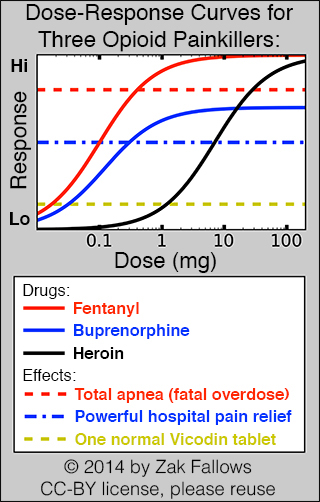
This class is a multidisciplinary introduction to pharmacology, neurotransmitters, drug mechanisms, and brain diseases from addiction to schizophrenia. From Abilify® to Zyrtec®, the world is full of fascinating drugs. If you are poisoned by sarin nerve gas, you may be able to save your life by huff…
Johns Hopkins University
Welcome to the Evidence-based Toxicology (EBT) course. In medicine and healthcare, evidence-based medicine has revolutionized the way that information is evaluated transparently and objectively. Over the past ten years, a movement in North America and Europe has attempted to translate this revoluti…
University of Canterbury
Learn what foods and nutrients should and should not be consumed to improve mental wellbeing and explore the fundamental role that nutrition plays in our mental health.
MIT OpenCourseWare
The neuropharmacology course will discuss the drug-induced changes in functioning of the nervous system. The specific focus of this course will be to provide a description of the cellular and molecular actions of drugs on synaptic transmission. This course will also refer to specific diseases of th…
 University of California, Davis
This course aims to provide process safety experience for engineers, particularly relevant to chemical engineering but applicable to any field involving process operations. This course introduces you to the important, practical, value-added skills and information that will aid your career, or prepa…
MIT OpenCourseWare
This course addresses the challenges of defining a relationship between exposure to environmental chemicals and human disease. Course topics include epidemiological approaches to understanding disease causation; biostatistical methods; evaluation of human exposure to chemicals, and their internal d…
MIT OpenCourseWare
The object of the course is to teach students an approach to the study of pharmacologic agents. It is not intended to be a review of the pharmacopoeia. The focus is on the basic principles of biophysics, biochemistry and physiology, as related to the mechanisms of drug action, biodistribution and m…
Johns Hopkins University
This course familiarizes students with the novel concepts being used to revamp regulatory toxicology in response to a breakthrough National Research Council Report “Toxicity Testing in the 21st Century: A Vision and a Strategy.” We present the latest developments in the field of toxicology—the shif…
MIT OpenCourseWare
This course addresses the scientific basis for the development of new drugs. The first half of the semester begins with an overview of the drug discovery process, followed by fundamental principles of pharmacokinetics, pharmacodynamics, metabolism, and the mechanisms by which drugs cause therapeuti…
MIT OpenCourseWare
This course serves as a description and critical assessment of the major issues and stages of developing a pharmaceutical or biopharmaceutical. Topics covered include drug discovery, preclinical development, clinical investigation, manufacturing and regulatory issues considered for small and large…
 University of Colorado System
In this course, you will develop the knowledge and skills to assess and stabilize certain types of patients for transport. By the end of this course, you will be able to: (1) Identify the signs and symptoms associated with a patient in shock, to describe the major categories of shock, to assess a p…
MIT OpenCourseWare
This class examines the relationship between a number of mind-altering substances and cultural processes. We look at the relationship between drugs and such phenomena as poverty, religion, technology, inter-generational conflict, colonialism, and global capitalism. We read about the physiological a…
Purdue University
Through this course, students will gain an appreciation of the complexity of issues surrounding polymers in civil and environmental engineering.
 Parsons School of Design, The New School
This course covers a wide range of concepts related to toxicology and the chemistry of healthier materials. You learn about toxic substances in the built environment, the impact of specific chemicals on human health, unsatisfactory substitutions, and barriers to change. Finally, you examine ways to…
 Alison
This course covers fundamental aspects related to safety, hazards, and risks, emphasizing the principles of risk management. It delves into toxicology studies, modeling concepts, and the classification of hazardous materials. Additionally, the curriculum addresses industrial hygiene challenges and…
 National Taiwan University
「民以食為天!」 歷史的發展伴隨著糧食資源豐富的區域,古中國流傳至今的這句話說明了「吃」是多麼重要的一件事,求得三餐溫飽遂成為那個時代的人的生活中心。但相較於遠古時代,現今的人們較少為了「吃飽」而煩惱,而自此衍生而出的是「不只吃飽,更要吃好」,開始追求大魚大肉、滿漢全席;開始改變烹調方法,煎煮炒炸、煙燻、醃製;開始利用食品加工的技術為食物加上各式各樣的顏色與味道。 導致在食品加工業蓬勃發展的現代,「吃」這件事變成了一個疑問詞,重視養生的我們開始對吃進去的東西產生疑問,「我吃進去的食物有哪些成分?」、「食品添加物是什麼?」、「食品的檢驗標準是怎麼訂定的?」、「檢驗超標會對人體產生什麼危害?」,…
University of California, Davis
Chemical Process Safety Fundamentals